Shopping in Agadir Morocco
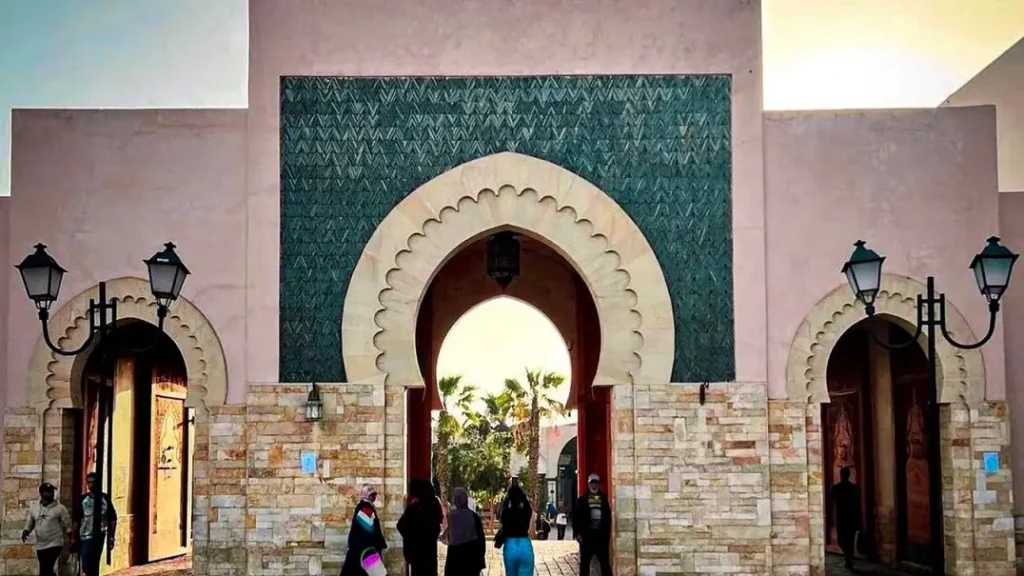
Shopping in Agadir is more than buying souvenirs — it is a way into Moroccan craft culture. From the vast covered market of Souk El Had to the reconstructed artisan Medina and the boutiques along the Marina, Agadir mixes tradition with modern comfort. This guide covers where to shop, what is genuinely worth buying, and how to bargain respectfully.
Prefer to make a souvenir with your own hands? See the workshop cards below, or browse all artisan workshops in Agadir.
In This Guide
- Best Places for Shopping in Agadir
- Souk El Had
- Agadir Medina
- Marina Agadir and Modern Boutiques
- What to Buy When Shopping in Agadir
- Leather Babouche Workshop
- Pottery Workshop
- Choosing Genuine Argan Oil
- How to Bargain Respectfully
- Cash vs Card When Shopping in Agadir
- Shopping Etiquette: What Tourists Should Know
- Combine Shopping with a Cultural Experience
- Conclusion
- FAQs About Shopping in Agadir
Quick Guide
- Best traditional market
- Souk El Had — 6,000+ stalls, closed Mondays, busiest on Sundays
- Best for fixed-price crafts
- Agadir Medina — buy directly from the maker, watch the craft in progress
- Best for leather
- Souk El Had and the Medina for babouches, or make your own at the Leather Babouche Workshop
- Best for genuine argan oil
- Buy from a known cooperative for guaranteed purity
- Best for ceramics
- Hand-thrown pottery in the Medina, or shape your own at the Pottery Workshop
- Payment
- Cash for the souks and Medina; cards more commonly accepted around the Marina
Best Places for Shopping in Agadir
Agadir's shopping breaks down into three distinct experiences, and most visitors end up trying at least two of them.
Souk El Had
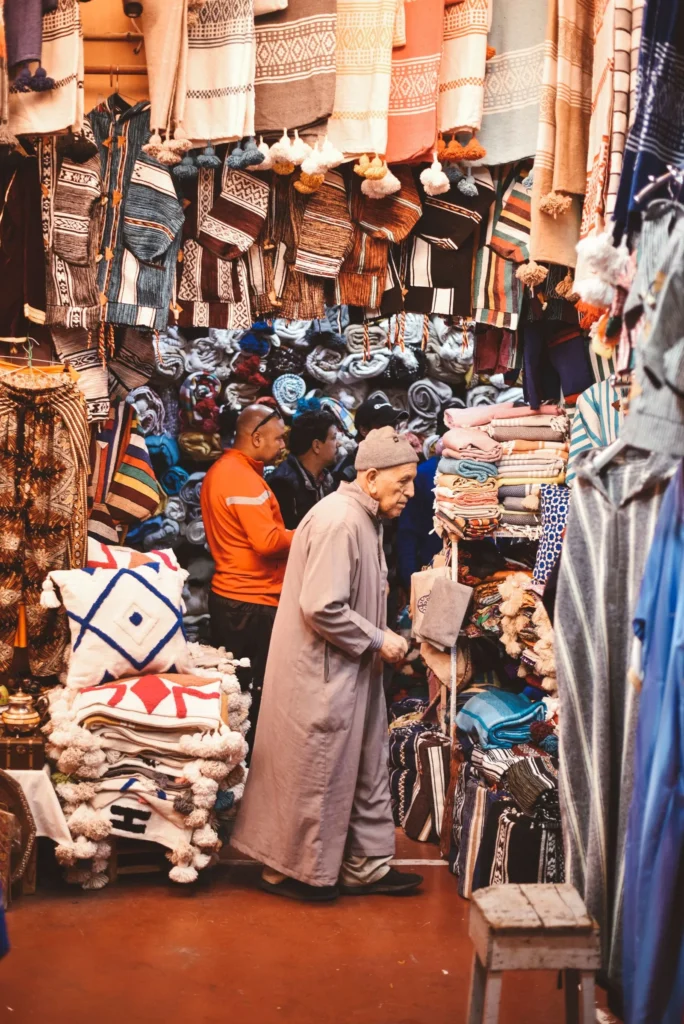
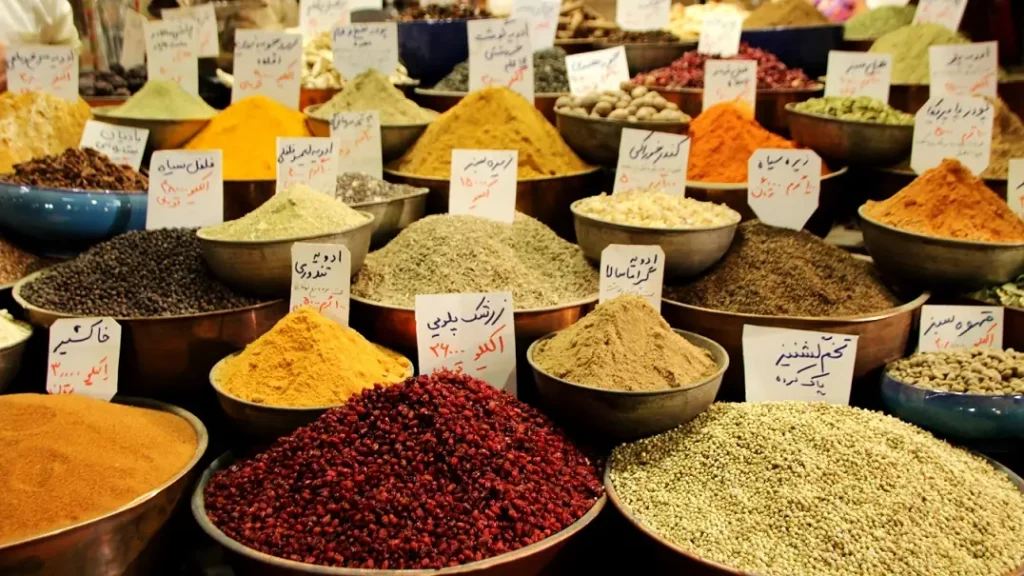
Souk El Had is the largest covered market in southern Morocco and the natural starting point for shopping in Agadir. With more than 6,000 stalls organised by trade behind numbered gates, it is a working market for locals as much as a place for visitors to browse — spices and food stalls cluster near the entrances, while leather, jewellery and crafts sit further inside.
- Spices and herbs: saffron, paprika, cumin
- Handwoven rugs and carpets
- Leather goods and traditional Moroccan slippers
- Argan oil and cosmetic products
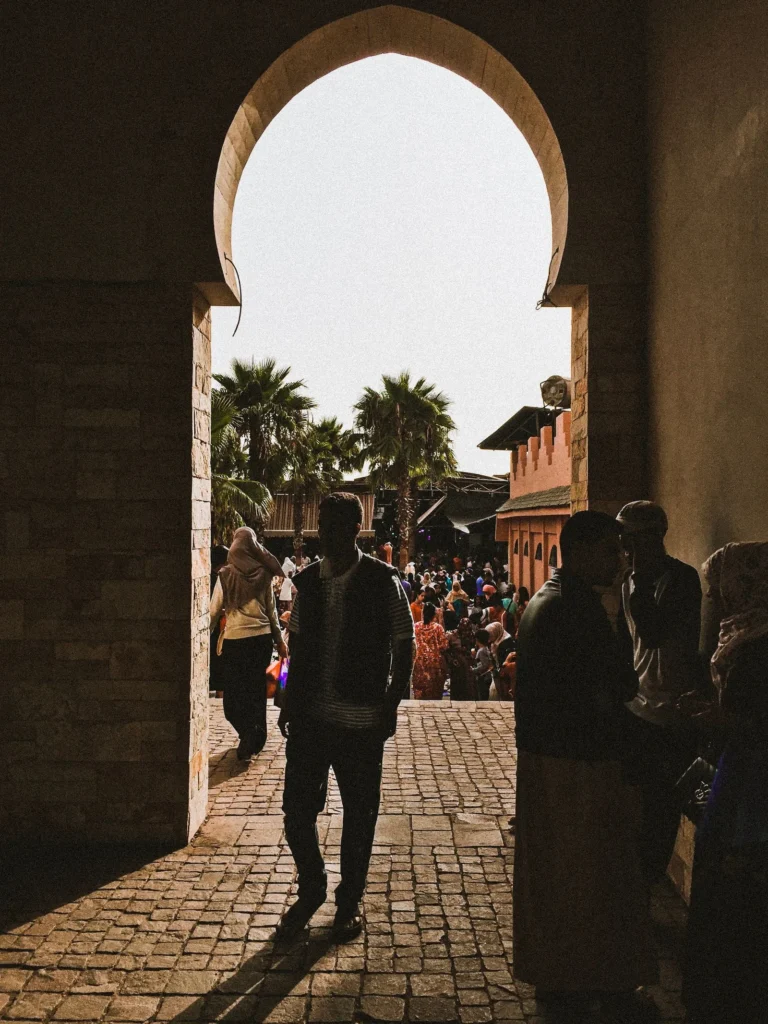
The market opens daily except Monday, and Sunday is traditionally its busiest day. Arriving earlier in the morning means cooler temperatures, thinner crowds, and stallholders with more time to talk. Because the market is organised into distinct sections, it is worth walking the full layout once before buying anything, so you know where to come back to.
Souk El Had is often included on our Agadir City Tour. Read our full Souk El Had guide for opening days and practical tips.
Agadir Medina
For a calmer, more curated shopping experience, the reconstructed artisan Medina gathers hundreds of craftspeople — potters, weavers, leatherworkers — in a quiet, purpose-built village rather than a busy commercial souk. Prices tend to be fixed rather than bargained, since you are usually buying directly from the maker, and the pace is slower and more suited to browsing than the souk's working atmosphere. It is also a good place to watch a craft actually being made before deciding what to buy.
Read our full Agadir Medina guide.
Marina Agadir and Modern Boutiques
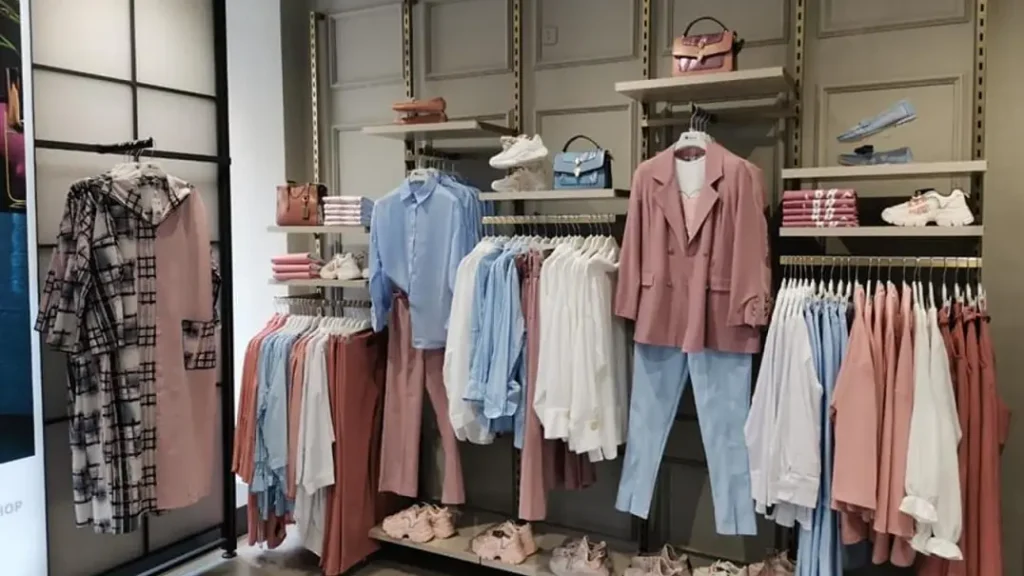
For a more modern side of shopping in Agadir, Marina Agadir offers fashion boutiques, jewellery stores and waterfront cafes. It suits travellers who want a relaxed browse rather than the sensory intensity of the souk, and it is an easy place to combine an evening stroll with a bit of shopping.
What to Buy When Shopping in Agadir
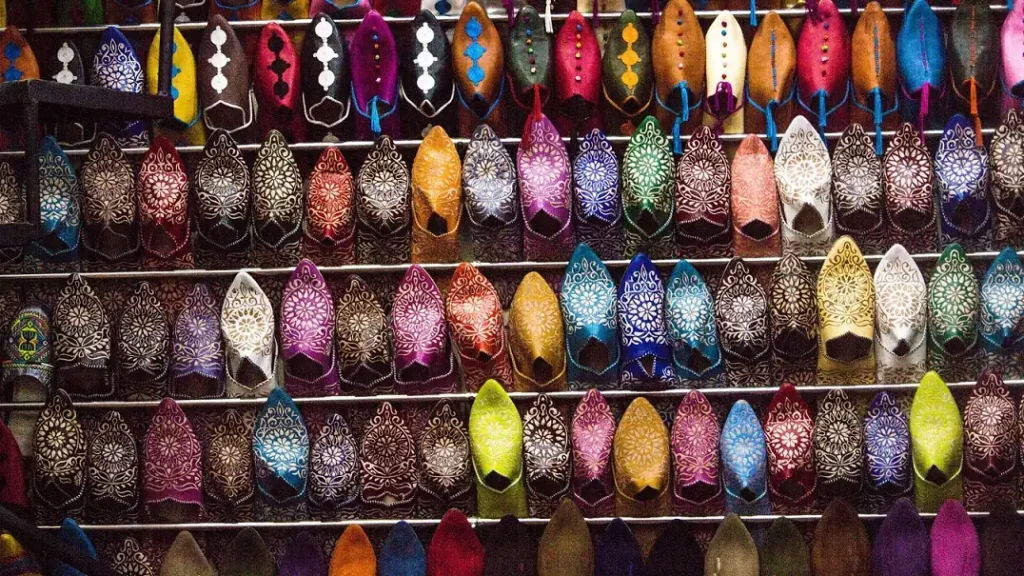
The most authentic souvenirs come directly from the region's craft traditions rather than mass-produced souvenir shops:
- Leather goods and babouches — traditional handmade slippers, sold throughout Souk El Had and the Medina, in a huge range of colours and styles.
- Berber carpets — each with its own tribal pattern and story, ranging from small woven pieces to full-size rugs.
- Spices and Moroccan tea sets — an easy way to bring the flavours of Morocco home, and light enough to pack easily.
- Argan oil products — authentic culinary and cosmetic oils from the Souss region, the only place in the world where the argan tree grows wild.
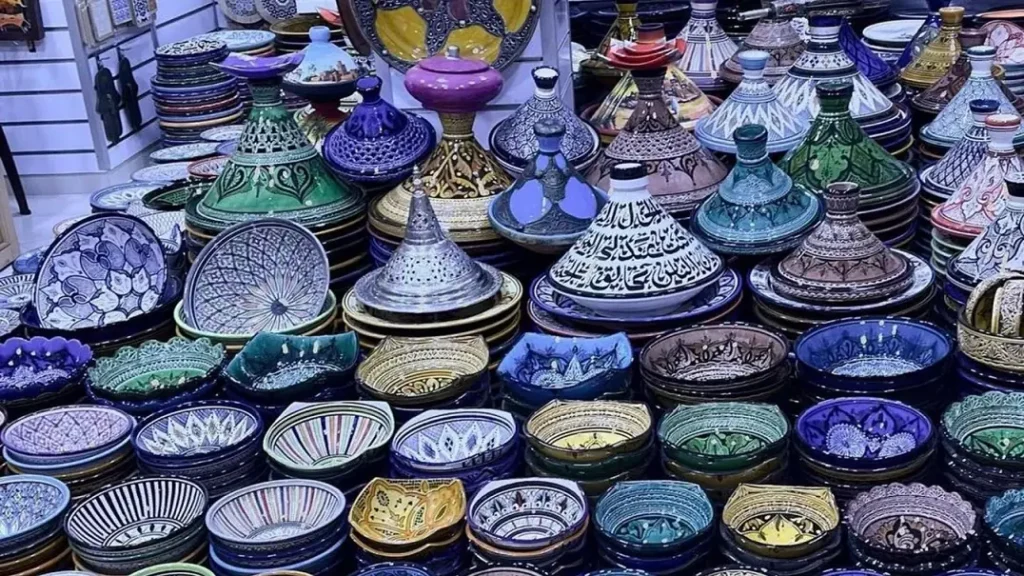
- Pottery and handicrafts — hand-thrown ceramics and traditional Amazigh designs, from tagine dishes to decorative bowls.
If you would rather make one of these souvenirs yourself than simply buy it, two hands-on workshops let you do exactly that:
Leather Babouche Workshop
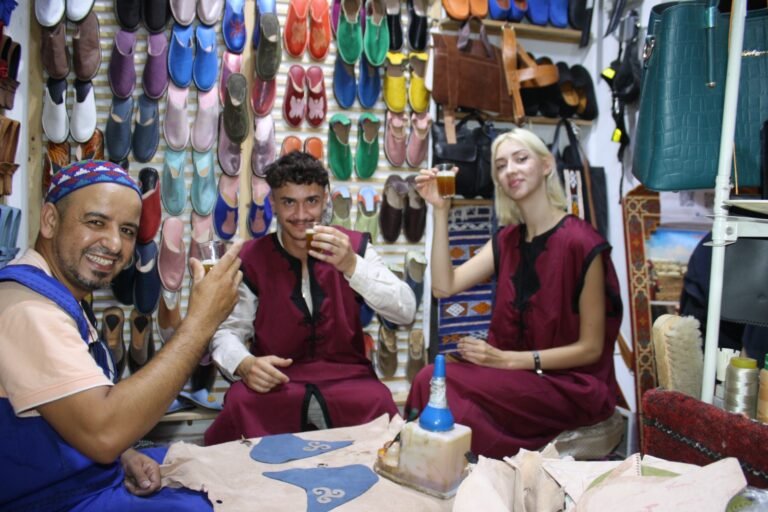
Leather Babouche Making Workshop
Cut, stitch and shape your own pair of traditional leather slippers with a master artisan
View Tour →Pottery Workshop
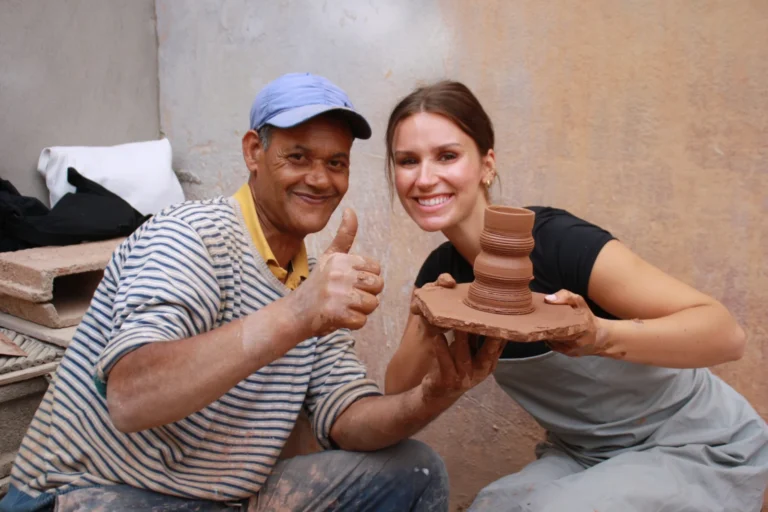
Pottery and Ceramics Workshop
Shape your own tagine or bowl on the potter's wheel and paint it with Amazigh patterns
View Tour →Choosing Genuine Argan Oil
Argan oil is one of the most popular purchases, but quality varies widely between stalls. Native only to the Argania tree of south-west Morocco, genuine argan oil is a protected regional product. Cosmetic-grade oil (for skin and hair) is usually lighter and less fragrant than culinary-grade oil, which has a distinctly nutty, roasted aroma from the toasted kernels used to make it. Buying from a known cooperative, or a stall that can explain the difference, is a simple way to avoid diluted or lower-quality oil.
How to Bargain Respectfully
Bargaining is expected in Souk El Had and most souvenir stalls, though not usually in the fixed-price Medina or modern Marina boutiques. A respectful approach works best: start around half the asking price, stay friendly, and settle somewhere in the middle rather than pushing for the lowest possible number. Greeting the stallholder before you start negotiating sets a better tone than diving straight into a price, and a smile goes a long way even without a shared language.
It also helps to have a rough sense of value before you start — browsing two or three stalls selling similar items gives you a feel for the going rate before you commit to buying. Walking away is a normal part of the process too, and it is common for a stallholder to call out a better price as you leave.
Cash vs Card When Shopping in Agadir
Most souk stalls and small shops are cash only, so carry Moroccan dirhams in small denominations — large notes can be hard for small vendors to change. Modern boutiques around the Marina are more likely to accept cards, but cash remains the more reliable option throughout the souks and the Medina.
Shopping Etiquette: What Tourists Should Know
- Shop in the morning when the souk is quieter and stallholders have more time to talk.
- Ask before photographing stalls or vendors up close.
- It's fine to browse without buying — a polite decline is completely normal in Moroccan markets.
- Bring a reusable bag for spices and produce if you plan to browse the food sections of the souk.
Combine Shopping with a Cultural Experience
Shopping pairs naturally with other Agadir experiences. Bring home the spices you buy and learn to cook with them in our Moroccan Cooking Class, or relax afterward with a traditional Agadir hammam and massage. For a full day combining sightseeing with shopping, see our guide to things to do in Agadir or our list of attractions in Agadir.
Conclusion
From the working stalls of Souk El Had to the artisan Medina and the boutiques of the Marina, shopping in Agadir covers everything from everyday market life to genuine handmade craft. Combine a morning of shopping with one of our artisan workshops to take home a souvenir you made yourself.
FAQs About Shopping in Agadir
What is the best market for shopping in Agadir?
Souk El Had is the largest and most popular, with more than 6,000 stalls covering spices, leather, textiles and crafts.
Can I find modern shopping in Agadir?
Yes — Marina Agadir has fashion boutiques and jewellery stores in a more modern, relaxed setting.
Where can I buy traditional Moroccan babouches in Agadir?
Souk El Had and the Agadir Medina both sell handmade babouches, and the Leather Babouche Workshop lets you make your own pair with a local artisan.
Do I need to bargain everywhere?
Bargaining is expected in the souks, but the Agadir Medina and most modern boutiques use fixed prices.
Is Souk El Had open every day?
It closes on Mondays and opens the rest of the week, with Sunday traditionally the busiest day to visit.
How can I tell if argan oil is genuine?
Buy from a known cooperative or a stall that can explain the difference between cosmetic-grade and culinary-grade oil — genuine culinary oil has a distinctly nutty, roasted aroma from the toasted kernels.
Ready to experience Agadir?
Prefer to make a souvenir yourself? Browse hands-on artisan workshops.
Discover Workshops
Comments
Be the first to share your experience or ask a question.