Is Agadir Safe for Tourists? A Practical Guide
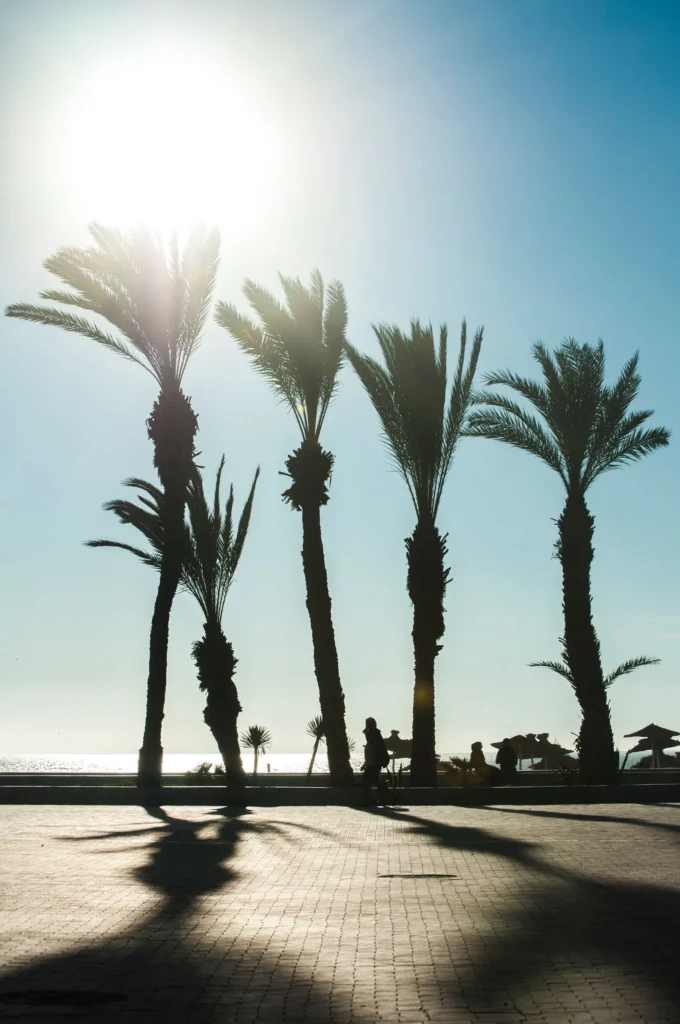
Is Agadir safe? For the vast majority of visitors, yes. Agadir is consistently rated among Morocco's more relaxed, tourist-friendly cities, and the main tourist areas — the beach promenade, the Marina, and the city centre — are well-lit, well-policed, and easy to navigate on foot. The realistic risks for travellers here are the same ones you would plan around in most Mediterranean or coastal resort cities: petty theft in crowded places, the occasional taxi overcharge, and ordinary road and beach common sense — not violent crime.
This guide covers what actually matters: national travel advisories, the specific precautions worth taking, and practical answers for solo travellers, women, families, and anyone planning a day trip out of the city.
In This Guide
- Quick Answer: Is Agadir Safe?
- What National Travel Advisories Say
- The Realistic Risk: Petty Crime, Not Violent Crime
- Taxis and Getting Around Safely
- Markets and Busy Tourist Areas
- Beaches and Outdoor Activities
- Solo Travellers and Women Travelling Alone
- Families with Children
- Evenings and Night-Time
- Day Trips Outside Agadir
- Money, Phones and Personal Belongings
- What to Do If You Need Help
- Practical Safety Checklist
- Conclusion
- Is Agadir Safe? FAQ
Quick Guide
- Overall safety
- Agadir is widely considered one of Morocco's safer, more relaxed cities for tourism
- Main real risk
- Petty theft (pickpocketing, bag-snatching) in crowded markets and beaches — not violent crime
- Solo & women travellers
- Commonly visit without issue, especially in the main tourist areas
- Taxis
- Insist on the meter in a petit taxi, or agree a fare before you get in
- Emergency number
- 112 works from any mobile phone for any emergency
- National advisory
- Check your own government's current advisory for Morocco before you travel — these are updated periodically
Quick Answer: Is Agadir Safe?
Yes, in the way that matters most to travellers: violent crime against tourists is rare, and the areas visitors spend most of their time in — the beachfront, the Marina, the main hotel zone — are actively policed and well maintained. Is Agadir safe compared to other Moroccan cities? Most comparisons rate it among the calmer, more resort-oriented options, partly because it was rebuilt after the 1960 earthquake with modern, tourism-focused infrastructure. That does not mean zero risk — it means the same ordinary precautions you would use in any busy tourist city are the right level of caution here, not extra ones.
What National Travel Advisories Say
Government travel advisories are issued for the whole of Morocco, not for individual cities, so they will not tell you "Agadir" is safer or riskier than anywhere else — but they are the most authoritative starting point for understanding the current national picture. As of August 2026, the U.S. State Department rates Morocco at Level 2, "Exercise Increased Caution," primarily citing the possibility of terrorism in places visited by foreign nationals — the same level currently applied to several major European destinations. The UK Foreign, Commonwealth & Development Office does not advise against travel to Morocco, while flagging similar terrorism awareness and standard petty-crime precautions in tourist areas.
These advisories change periodically, so check your own government's current guidance shortly before you travel rather than relying on any single source, including this one.
The Realistic Risk: Petty Crime, Not Violent Crime
The most commonly reported issue for visitors in Agadir, echoed consistently across traveller reports and local guides, is petty theft — pickpocketing and bag-snatching in crowded places like markets and busy beaches, occasionally involving someone on a scooter grabbing a bag and riding off. This is opportunistic crime, not targeted or violent, and it is largely preventable with ordinary habits: keep bags zipped and worn across your body, do not leave phones or wallets visible on a café table or towel, and stay aware in dense crowds the way you would in any busy city centre.
Taxis and Getting Around Safely
Petit taxis (the small, metered city taxis) are legally required to run on the meter. If a driver claims the meter is broken or offers a flat rate before you get in, treat it as a starting negotiation rather than a fixed price — agree the fare upfront, or ask politely for the meter. This is the most common friction point travellers report, and it is an overcharging issue rather than a safety one; petit taxis are a normal, widely used way to get around the city. If you would rather not negotiate at all, most experiences booked through Agadir Guide Tours include free hotel pickup and drop-off, which sidesteps the question entirely.
Markets and Busy Tourist Areas
Souk El Had and the Agadir Medina are exactly the kind of crowded, absorbing environments where a visitor's attention naturally drifts — and exactly where pickpocketing is most often reported. Keep valuables in a front pocket or zipped bag, agree prices before you commit to a purchase, and treat overly insistent sales pressure as background noise rather than something you need to feel obligated by. None of this is unique to Agadir; it is the same low-effort awareness that serves you well in any large, busy market anywhere in the world.
Beaches and Outdoor Activities
Agadir's main beach is wide, patrolled, and genuinely relaxed by day, though the same bag-watching habits apply — do not leave valuables unattended while you swim. For activities further afield, such as sandboarding on the dunes or a day at Taghazout, safety comes down to ordinary outdoor sense: sun protection, water, and going with a guide who knows the terrain and conditions rather than improvising alone, particularly for anything involving the ocean or dunes.
Solo Travellers and Women Travelling Alone
Solo travellers, including solo women, commonly visit Agadir without incident, and several traveller safety guides specifically note it as more relaxed on this front than Marrakech or Fez. Is Agadir safe for a woman travelling alone? The consistent pattern in traveller reports is that harassment, where it happens, tends to be verbal and low-level rather than physical, and is most reduced in the main tourist zones — the promenade, the Marina, and organised activities with a guide.
Dressing modestly away from the beach and pool, being confident and direct in declining unwanted attention, and avoiding walking alone through quiet, unlit streets late at night are the practical habits most commonly recommended, and they apply as much to solo men as to women.
Families with Children
Agadir is a genuinely easy, family-friendly base: the beach is gentle and shallow in most areas, hotel zones are geared toward families, and activities such as a camel ride or a hands-on workshop run at an unhurried pace with hotel pickup included. The same everyday precautions apply as they would at home — keep track of children in crowded souks, use sun protection given the strong coastal sun, and agree taxi fares in advance if you are not travelling with a pre-arranged transfer.
Evenings and Night-Time
The promenade, Marina, and central hotel districts stay lively and well-lit well into the evening, and walking there after dark is routine for both visitors and locals. The advice that comes up consistently, from both official travel guidance and local experience, is to stick to these populated, well-lit areas at night and avoid wandering into quiet residential streets or unfamiliar areas alone once it is dark — the same judgement call you would make in any unfamiliar city.
Day Trips Outside Agadir
Is Agadir safe for day trips into the surrounding region? Popular routes such as Paradise Valley, the Sahara, and the coastal road toward Essaouira are well-travelled by tour operators daily and do not carry any specific advisory beyond Morocco's general national guidance. Government advisories do flag areas near the Algerian border and parts of Western Sahara as higher-risk or restricted — these are far from any day trip offered from Agadir, but it is worth knowing they exist if you are extending your own trip independently. Travelling with a local guide, as on any of our day trips from Agadir, also means someone familiar with current road and regional conditions is planning the route, not you.
Money, Phones and Personal Belongings
Carry only the cash and cards you need for the day, keep a spare card and some emergency cash separate from your main wallet, and photograph your passport and important documents so you have a copy if the original is ever lost. Hotel safes are worth using for passports and anything you are not carrying. None of this is Agadir-specific advice — it is the same low-effort preparation worth doing before any trip abroad.
What to Do If You Need Help
The single number most likely to work for any emergency in Morocco is 112, which functions from any mobile phone. The national police number in cities and towns is 19. Agadir, like Morocco's other major tourist destinations, has a dedicated Tourist Police presence (Brigade Touristique) that specifically assists visitors with theft, disputes, or other issues, typically found around the main tourist areas and large hotels. Your hotel front desk or tour guide is also usually the fastest practical first point of contact if something goes wrong, since they can communicate with local authorities on your behalf and know the nearest station.
Practical Safety Checklist
- In markets and crowds: keep bags zipped and worn in front, phones out of back pockets.
- In taxis: insist on the meter, or agree the fare before you set off.
- At the beach: do not leave valuables unattended while you swim.
- At night: stick to the promenade, Marina and hotel districts; avoid quiet unlit streets alone.
- Documents: photograph your passport and keep a spare card separate from your main wallet.
- Before you go: check your own government's current travel advisory for Morocco.
Conclusion
Is Agadir safe? For almost every visitor, the honest answer is yes, provided you treat it the way you would any busy, unfamiliar tourist city: watch your bags in crowds, agree taxi fares, stick to lit and populated streets at night, and check your government's current advisory before you fly. None of that should overshadow the trip — it is the same background awareness that lets you actually relax once you are here. For more on planning your visit, see our guides to things to do in Agadir and the best time to visit.
Is Agadir Safe? FAQ
Is Agadir safe for tourists right now?
Yes, for the large majority of visitors. Agadir is widely considered one of Morocco's more relaxed, tourist-friendly cities, with well-policed main areas. Always check your own government's current travel advisory for Morocco before you go, since these are updated periodically.
Is Agadir safe for solo female travellers?
Generally yes, and solo women commonly visit without incident, particularly in the main tourist areas. Any harassment reported tends to be verbal rather than physical. Dressing modestly away from the beach and avoiding quiet streets alone at night are the most commonly recommended precautions.
What is the biggest safety risk in Agadir?
Petty theft, such as pickpocketing or bag-snatching in crowded markets and beaches, is the most commonly reported issue — not violent crime. Ordinary bag-awareness habits largely prevent it.
Are taxis safe in Agadir?
Yes. The main issue reported is drivers avoiding the meter to overcharge tourists, which is a cost issue rather than a safety one. Insist on the meter or agree a fare before you set off.
What is the emergency number in Agadir?
112 works from any mobile phone for any emergency in Morocco. The police-specific number in cities is 19. Your hotel or tour guide can also help you reach the right service quickly.
Is it safe to walk around Agadir at night?
The promenade, Marina and main hotel districts are well-lit and busy well into the evening and are considered safe to walk. As anywhere, avoid quiet, unlit residential streets alone after dark.
Ready to experience Agadir?
Ready to experience Agadir? Book direct with a local guide.
Explore Tours & ActivitiesRelated Guides
 Agadir Travel Guide
Is Agadir Worth Visiting? Honest Pros and Cons
Read More → Agadir Travel Guide
Best Time to Visit Agadir: A Month-by-Month Guide
Read More → Agadir Travel Guide
Top 10 Agadir Excursions You Can’t Miss in 2026
Agadir excursions range from a half-day swim in mountain pools to a three-day crossing of the Sahara. Compare genuine day…
Read More →
Comments
Be the first to share your experience or ask a question.